
Popular Types of Climbing Plants
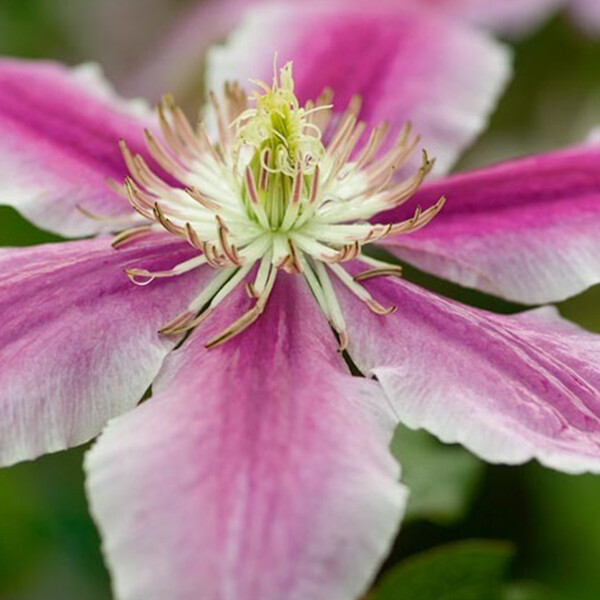
Clematis (Clematis)
- Characteristics: The queen of climbing plants, available in hundreds of varieties
- Flowering period: From early spring to late autumn, depending on the variety
- Special notes: Clematis like “cool feet” – plant the roots in shade and let the plant grow in the sun
Trumpet Vine (Campsis)
- Characteristics: Striking trumpet-shaped flowers in orange or red
- Flowering period: Summer to early autumn
- Special notes: Attracts many bees and butterflies; needs warmth to flower well
Ivy (Hedera)
- Characteristics: Evergreen, hardy, and ideal for shady locations
- Flowering period: Inconspicuous flowers in autumn
- Special notes: Winter berries provide food for birds; self-clinging
Honeysuckle (Lonicera)
- Characteristics: Fragrant flowers, often bi-coloured
- Flowering period: Mostly summer; some varieties are strongly scented in the evening
- Special notes: Excellent for wildlife – attracts moths
Virginia Creeper (Parthenocissus)
- Characteristics: Stunning autumn colour, turning scarlet red
- Flowering period: Inconspicuous, but berries and autumn foliage provide ornamental value
- Special notes: Self-clinging and fast-growing
Passion Flower (Passiflora)
- Characteristics: Exotic, intricate flowers
- Flowering period: Summer
- Special notes: Not fully winter-hardy in the Netherlands; suitable as a container plant
Wisteria (Wisteria)
- Characteristics: Impressive hanging flower clusters in lilac or white
- Flowering period: Spring (sometimes a second bloom in summer)
- Special notes: Requires strong support and can become very heavy
How to Successfully Plant Climbing Plants: Step by Step
- Choose the right location: Consider light requirements, available space, and support
- Prepare the soil: Dig a generous planting hole and mix compost into the soil
- Plant at the correct depth: Place the root ball at the same depth as in the pot
- Water thoroughly: Ensure generous watering after planting
- Provide support: Install a trellis, wires, or other climbing aids in advance
Maintenance Tips for Healthy Climbing Plants
Pruning
- Spring-flowering climbers: prune immediately after flowering
- Summer-flowering climbers: prune in early spring
- Evergreen climbers such as ivy only need pruning if they grow too large
Fertilising
- Apply a general fertiliser in spring
- Clematis prefer lime-rich soil
Watering
- Water young plants regularly
- Established plants only need water during prolonged drought
Winter Protection
- Protect frost-sensitive plants with bubble wrap or fleece
- Cover roots with straw or leaves during severe frost
Creative Uses for Climbing Plants
Climbing plants are incredibly versatile:
- Create a living wall for privacy
- Enhance an unattractive fence or wall
- Provide natural shade on a pergola
- Cover an old garden shed for a romantic look
- Let plants grow through trees for added depth
Seasonal Interest with Climbing Plants
One of the greatest advantages of climbing plants is that they offer interest throughout the year. Start spring with early-flowering clematis, enjoy the lush blooms of wisteria and passion flower in summer, and let Virginia creeper and ivy create a spectacular display of colour in autumn. Even in winter, evergreens like ivy provide structure and shelter for birds.
Whether you have a small balcony garden or a large outdoor space, there is always a climbing plant to suit your situation. With the right care and placement, these plants can transform any space into a green oasis.