
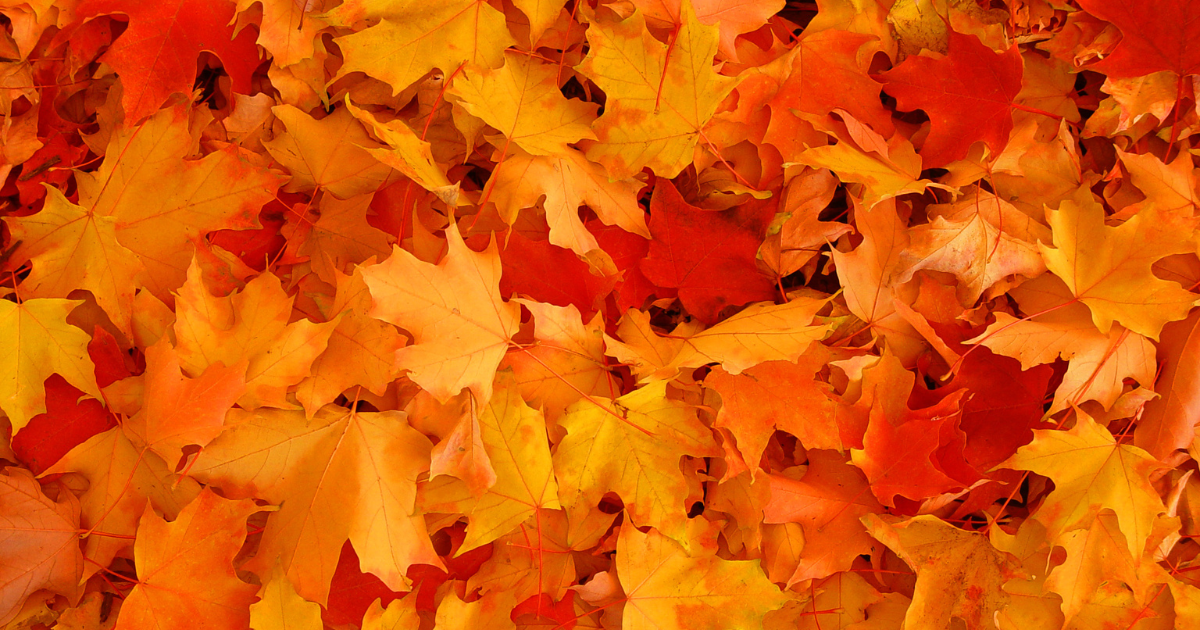
Autumn is in full swing: the trees are turning, the first leaves are drifting down and the lawn is disappearing under a blanket of gold and brown. For many gardeners, the question soon follows: do I need to clear it all up, or can I simply leave the leaves where they are? The honest answer is that it depends on where they have landed. In this article we go through the main guidelines.
Why leaving leaves can be a good idea
Fallen leaves are not waste but a natural resource. Nobody rakes the forest, and yet the soil there is fertile year after year.
- Natural mulch: a thin layer of leaves in borders protects the soil from frost and drying out, and keeps weeds down.
- Food for the soil: fungi and earthworms break the leaves down into humus, which improves soil structure and soil life.
- Shelter for wildlife: hedgehogs, ladybirds, bumblebee queens, butterfly pupae and many other insects overwinter in and under leaves. A pile of leaves is a small winter refuge for your garden wildlife.
Where to leave the leaves
- Under trees and shrubs: the leaves fall there anyway and belong there. Leave them as a natural ground cover.
- In perennial borders: a loose layer of leaves (a few centimetres) protects sensitive plants from the winter cold. Just avoid a wet, dense mat smothering the crowns of small plants.
- In a quiet corner: keep some of the leaves in a pile behind a shrub or against a hedge. It makes an ideal home for hedgehogs and insects.
Where to clear the leaves
- On the lawn: a thick layer of leaves blocks light and air. The grass weakens, turns yellow and fungi get the upper hand. Remove leaves from the lawn regularly, especially when they are wet and matted together.
- On the patio, paths and driveway: wet leaves are very slippery and can leave stains on tiles and natural stone. Sweep them away to prevent falls.
- In the pond: leaves rotting in the water create sludge and a lack of oxygen. A net over the pond during leaf fall helps, or skim the leaves out regularly.
- In gutters and drains: blocked gutters cause water damage. Check them throughout the autumn.
- From diseased plants: leaves from plants with fungal diseases (such as scab on apple and pear, black spot on roses or various leaf spot diseases) should be removed completely. The fungus overwinters in the leaves and strikes again in spring. These leaves do not belong on the compost heap, but in the green waste or general waste bin.
Making the most of all those leaves
1. Shred them with the lawnmower. Run the mower over the leaves on your lawn and leave the fine pieces where they fall: they feed the grass. Or collect them and use them as mulch in your borders.
2. Make leaf mould. Gather the leaves in a chicken-wire bin or a sturdy bag with holes in it, keep them moist and be patient. After one to two years you will have lovely, crumbly leaf mould, ideal for improving soil or mixing into potting compost.
3. Consider the type of leaf. Leaves from oak, walnut, plane or beech break down slowly and contain tannins. Mix them with faster-rotting leaves or grass clippings, or let them mature for longer. Leaves from alder, ash, lime or fruit trees rot down more quickly.
4. Go easy on the leaf blower. It is noisy and disturbs small animals. An ordinary broom or rake does the job just as well, and is quieter and much kinder to wildlife.
5. Take care with leaf piles in November. If you want to move or burn a large pile of leaves (note: burning is often prohibited), first check that there is no hedgehog hibernating in it.
The autumn moment to plant
While you are out in the garden: October and November are also ideal months for planting trees, shrubs, hedging and perennials. The soil is still warm, the rain provides plenty of moisture and plants can root quietly over winter, giving them a head start in spring. That also makes them much better equipped to cope with the following summer's drought.
--------
With a little common sense, autumn tidying is not an all-or-nothing job: clear what causes problems and leave what helps your garden. You will work less, give nature a helping hand and enjoy a healthier garden in spring.
Questions about the right plants or products for your garden? Browse our catalogue or get in touch.