
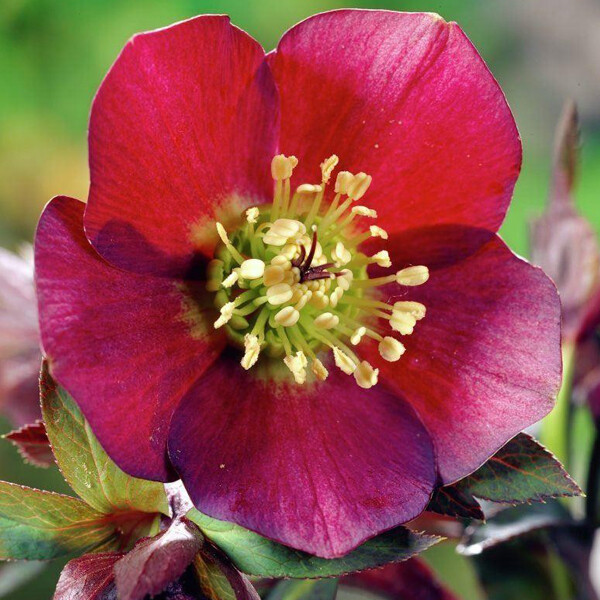
While the garden seems to be in a deep winter slumber, there is one plant that boldly and elegantly rises above the soil: the Helleborus, also known as Christmas Rose or Lenten Rose. With its exotic-looking flowers in the darkest months of the year, it is an indispensable eye-catcher for any lover of the winter garden.
Why You Should Buy Helleborus Now
- Blooming in the Bare Moment: Most Helleborus species bloom from December to March. Right now, they bring color and life to an otherwise bare garden. Buying them in bloom lets you be sure of the color and form you’re bringing home.
- Good Rooting for Spring: Planting now gives the Helleborus a chance to establish a strong root system before spring. When spring arrives, the plant has all its energy ready for lush growth.
- An Investment for the Future: Helleborus are perennial plants that grow bigger and more beautiful each year. They are winter-hardy and, with proper care, can thrive for decades. Buying one now is a gift to your future self.
A Wealth of Varieties: From Christmas Rose to Stinking Lenten Rose
The world of Helleborus is surprisingly diverse. Here’s an overview of popular types:
- Helleborus niger (Christmas Rose): The classic. Known for its pure white, cup-shaped flowers that sometimes turn softly pink. Often blooms around Christmas – a true showstopper.
- Helleborus orientalis (Oriental Lenten Rose): The largest group, with countless hybrids such as 'Red Lady' and 'White Lady'. Available in many colors, from deep purple and pink to cream white, often with beautiful speckles. Blooms a bit later, startingin February.
- Helleborus argutifolius (Corsican Lenten Rose): Recognizable by its spiny, evergreen leaves and clusters of light green, cup-shaped flowers. An architectural plant that adds height and structure.
- Helleborus foetidus (Stinking Lenten Rose): Don’t be deterred by the name; the odor is noticeable only when rubbing the leaves. Highly decorative with deeply cut, dark green foliage and bell-shaped green flowers edged in purple.
- Helleborus purpurascens: A subtle beauty with downward-facing, bell-shaped flowers in a mix of purple, green, and silver. The marbled foliage is also decorative outside the bloom period.
The Art of Care: How to Do It
Helleborus are not difficult, but they have a few conditions to thrive:
Location:
- Light: Partial shade is ideal. They do well under deciduous trees or shrubs. In winter, they get light; in summer, they are protected from strong sun.
- Soil: This is key! They prefer nutrient-rich, humus-heavy soil that drains well. Soil should retain some moisture but never become waterlogged.
Maintenance:
- Planting: Dig a generous planting hole and mix in plenty of compost or leaf mold to give the plant a nutrient-rich start.
- Watering: Water thoroughly after planting. Keep the soil moist at first; later they tolerate some drought, but during prolonged dry periods in spring and summer, extra watering is recommended.
- Fertilising: In early spring (February/March), apply a handful of organic fertilizer around the plant to support flowering and new foliage.
- Pruning: The only crucial task! In December or January, cut away old, unsightly leaves from last year. Why?
- It gives new flower buds space and light to emerge
- Prevents fungal diseases (like Helleborus disease) that can overwinter on old leaves
- The plant immediately looks neat and fresh
Note: Only trim the leaves, not the flower stems!
Special Focus: Helleborus niger (Christmas Rose)
The Helleborus niger prefers slightly chalky soil. A handful of garden lime in autumn benefits the plant. Place it in a sheltered spot so early flowers are protected from harsh winter weather. It’s also perfect as a container plant on a terrace.
Conclusion
The Helleborus is the undisputed king (or queen) of the winter garden. It provides beauty when you least expect it, is winter-hardy, and requires minimal maintenance. By investing in one or more of these gems now, you ensure years of garden enjoyment. Visit your local nursery, be tempted by the blooms of the 'Red Lady' or the pure elegance of the Christmas Rose, and give your garden the crown it deserves this winter!