
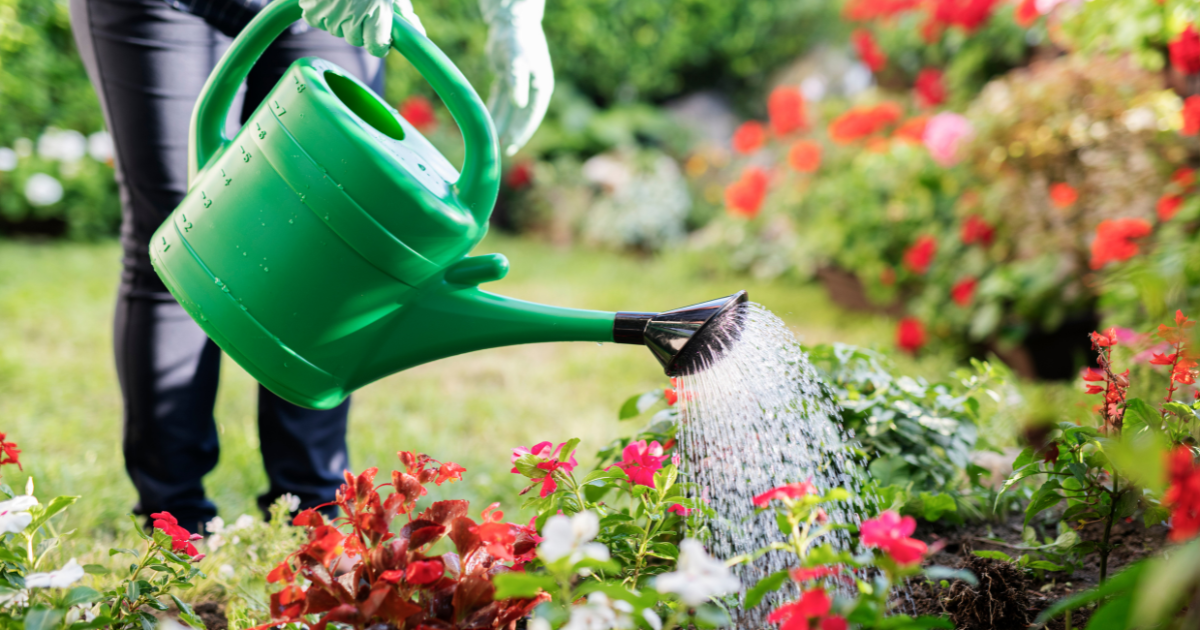
During hot summer days, garden plants need extra water. However, it's not just about how much you water, but also when and how you do it. Using the right watering techniques helps keep your plants healthy while reducing water waste.
Water at the right time
The best time to water is early in the morning or late in the evening. The sun is less intense, less water evaporates, and the roots have enough time to absorb the moisture.
Water deeply, not daily
It's better to water thoroughly once or twice a week than to give your plants a little water every day. This encourages deeper root growth, making plants more resilient during hot and dry periods.
Water at the base of the plant
Aim the water directly at the soil rather than the leaves. This ensures the water reaches the roots, where it's needed most, while reducing unnecessary evaporation.
Young plants need extra care
Newly planted trees, shrubs, and perennials haven't developed deep root systems yet. Check regularly to make sure the soil stays moist. Plants growing in pots also dry out much faster during warm weather and may need more frequent watering.
Keep the soil moist for longer
Adding a layer of mulch or bark helps the soil retain moisture for longer. Ground cover plants also protect the soil from direct sunlight, reducing evaporation and helping the soil stay cooler.
Avoid common watering mistakes
Watering in the middle of the day is ineffective because much of the water evaporates before it reaches the roots. Also avoid giving small amounts of water every day, as this encourages shallow roots and makes plants more vulnerable to drought.
Healthy plants all summer long
By watering at the right time and in the right way, you can help your trees, perennials, ornamental grasses, hedges, and other garden plants stay healthy and strong, even during extended periods of hot weather.