
September is a special month in the garden. Summer is not quite over yet, but many changes are already beginning to take place. The days are slowly getting shorter, the light becomes softer and plants respond to the changing temperatures and reduced daylight. Some changes are barely noticeable, while on other days you suddenly realise that the garden looks a little different.
But what actually happens in the garden during September? And why is this month so interesting?
Growth gradually begins to change
During the previous months, plants have had plenty of time to grow. In September, their growth gradually begins to change. Temperatures are often still pleasant and many plants can continue growing on sunny days. However, the conditions are slowly starting to shift.
The days become shorter and the nights longer. This means plants receive fewer hours of daylight than they did in June or July. Some plants continue producing new leaves or flowers, while others gradually slow down their growth. The garden does not suddenly stop growing in September – the changes simply happen little by little.
Flowers make way for seeds
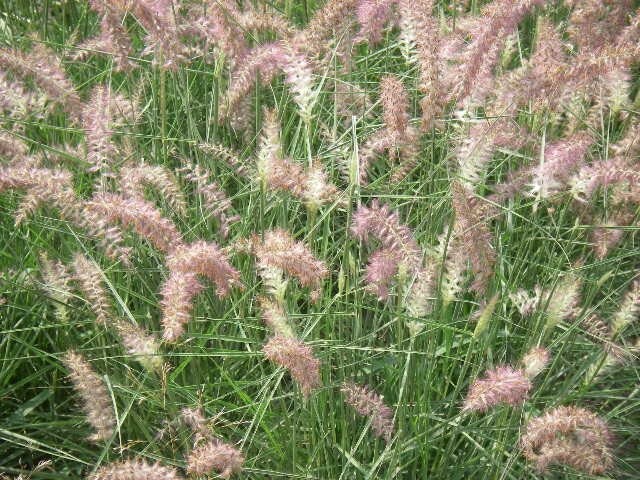
If you take a closer look at the garden, you will notice that more and more things happen after a plant has finished flowering. Flowers that provided colour throughout the summer begin to fade and gradually make way for seed heads, seed pods and seeds.
This is an important part of the natural life cycle of plants. Increasingly, the plant's energy is directed towards producing and ripening seeds, which can later spread naturally. Some seed heads are also very attractive and provide a completely different type of structure in the garden than flowers do.
That is why a faded flower does not necessarily need to be removed immediately in September. What may initially look past its best can still be an attractive and natural part of the plant.
More fruits and berries begin to appear
September is also the time when fruits and berries become increasingly noticeable on different trees and shrubs. Some fruits are already fully developed, while others still need time to ripen.
They do not only add colour to the garden, but also serve an important purpose for wildlife. Birds, for example, can feed on berries, while fallen fruit becomes part of the natural cycle within and around the garden.
The garden is therefore not only changing visually. The food available to wildlife is also gradually changing during September.
The first touches of colour appear
Although the garden can still be very green in September, the first colour changes are already beginning to appear on some trees and shrubs. Here and there, a leaf may start turning yellow, orange or red, while the rest of the plant remains completely green.
Not all plants respond at the same time. Some keep their green foliage for much longer, while others react earlier to the shorter days and changing temperatures.
That is exactly what makes September so interesting. The garden does not suddenly change from summer to autumn. Instead, new colours begin to appear gradually.
The light changes too
It is not only the plants that change; the light in the garden is also different from a few months ago. In September, the sun sits lower in the sky and the days become shorter. Especially in the morning and late afternoon, the light can create a completely different atmosphere.
Leaves, flowers, grasses and tree trunks can look different in this softer light. Plants that stood out mainly because of their flowers during summer can now attract attention because of their foliage, shape or structure.
That is why September is a good time to walk through the garden at different times of the day. You may notice details that went completely unnoticed during the summer.
Temperatures become more changeable
September can be a surprising month. One day can still feel warm and summery, while the next may already be noticeably cooler. The difference between daytime and night-time temperatures also becomes greater.
For plants, this means that conditions are gradually changing. During the day, the garden can still benefit from sunshine and warmth, while nights become increasingly cooler. Dew also tends to remain for longer, and mornings can feel noticeably fresher.
Many plants can nevertheless continue flowering and growing during this period. September is therefore not a clear dividing line between summer and autumn, but rather a month when the two seasons slowly begin to meet.
Wildlife notices the changes too
The changes in September do not only affect plants. Birds, insects and other wildlife also respond to the changing conditions in the garden.
While flowers and nectar play an important role during spring and summer, seeds, fruits and berries are becoming increasingly available. Insects remain active on warm days, while birds can make use of the food provided by trees, shrubs and perennials.
A garden that is not immediately cleared and tidied everywhere can therefore continue to provide plenty of food and shelter for wildlife during September.
Take a different look at your garden
September may be the perfect month to take a closer look at your garden. Not just at what is flowering, but at everything happening around those flowers.
Look for the first changing leaves, discover which plants are producing seeds and notice the fruits that are slowly appearing. Watch how the light falls through the foliage and see which plants now stand out because of their shape or structure.
Because while the garden is slowly changing, there is actually a great deal happening.
September is not a month when the garden stops. It is a month when the garden changes. And if you take the time to look closely, you will discover something new every week.